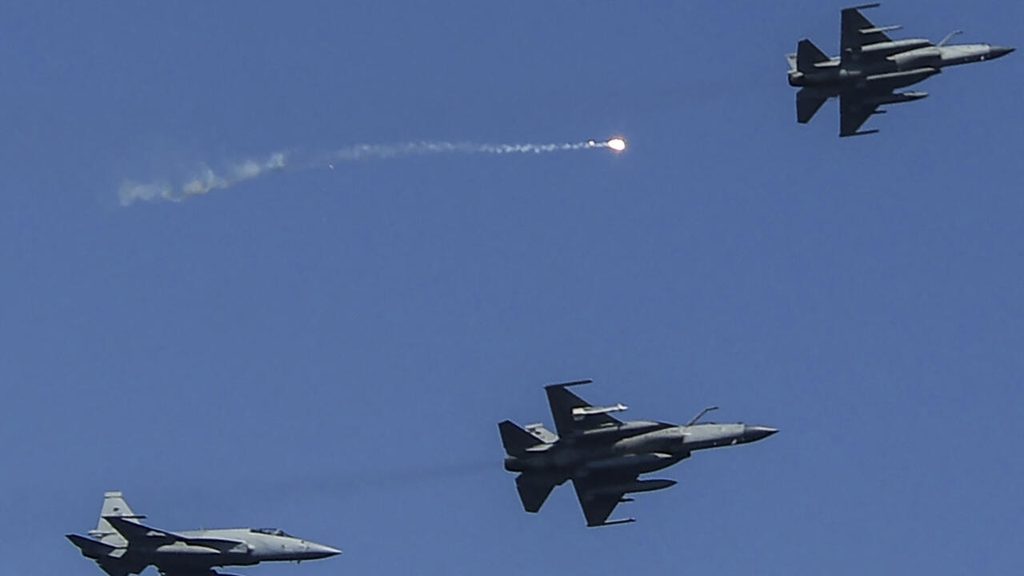
Pakistan’s latest airstrikes inside Afghanistan have exposed a contradiction at the heart of Islamabad’s regional policy: while presenting itself as a responsible security partner to Saudi Arabia, Pakistan continues to use military force against its Afghan neighbour, with civilians once again paying the price.
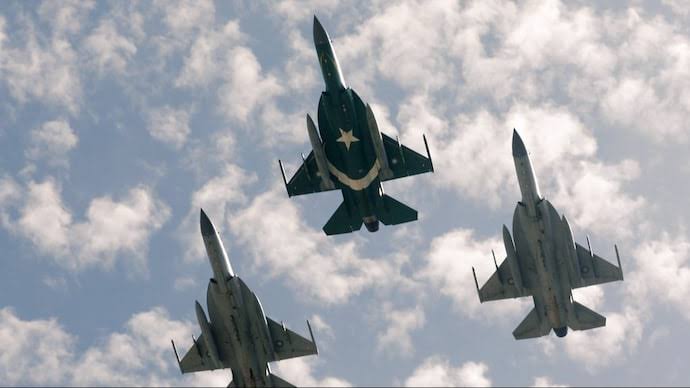
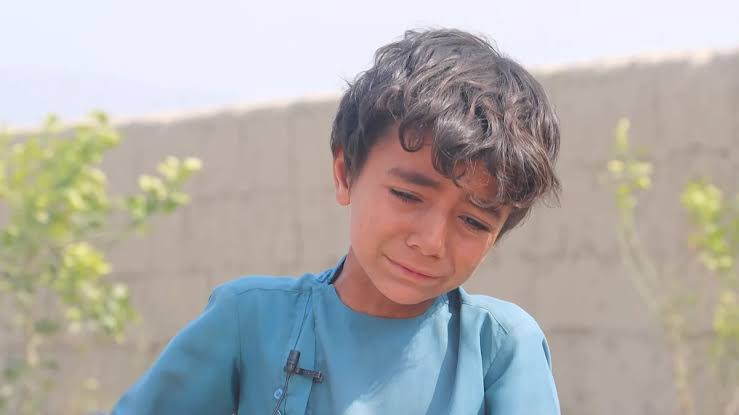
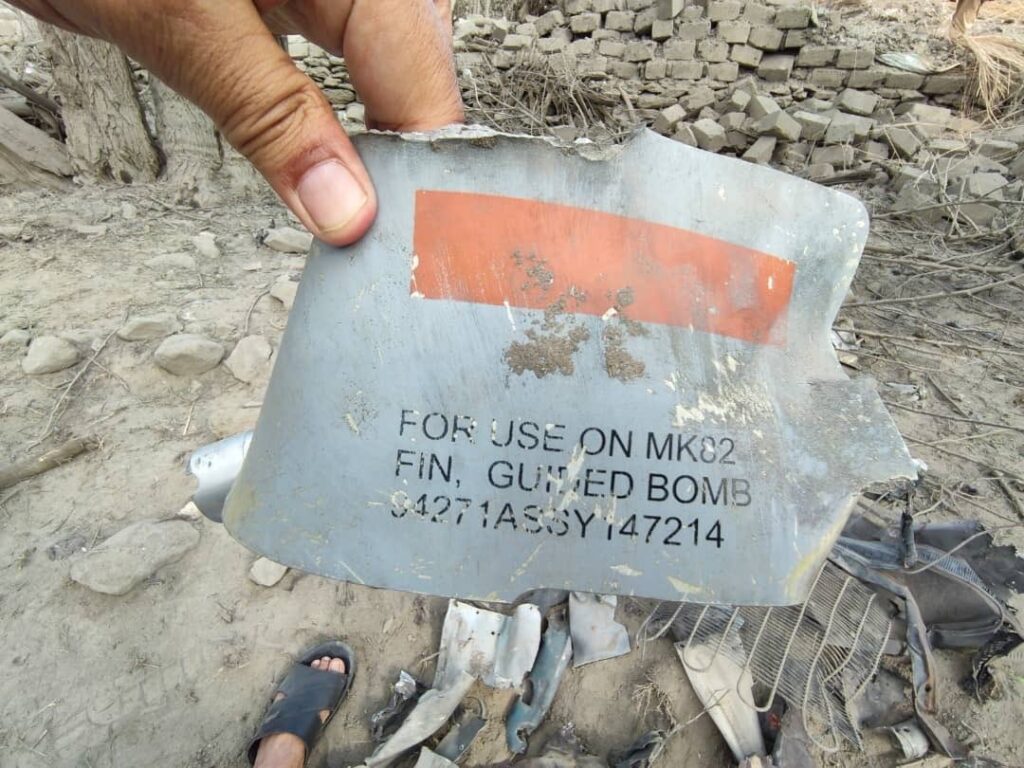
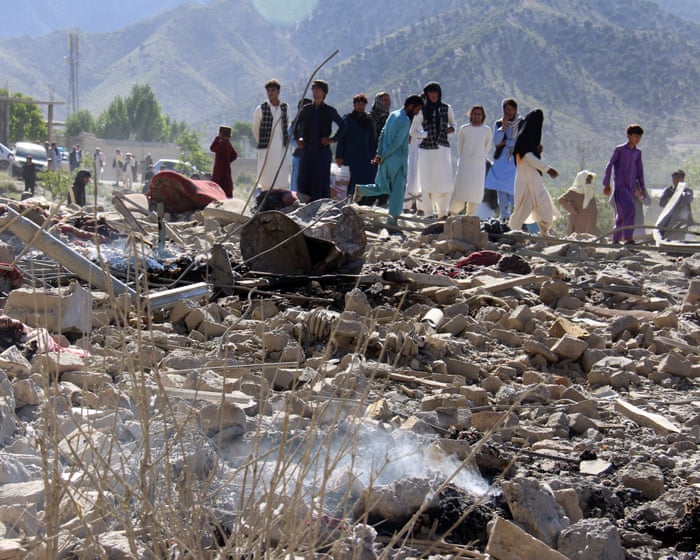
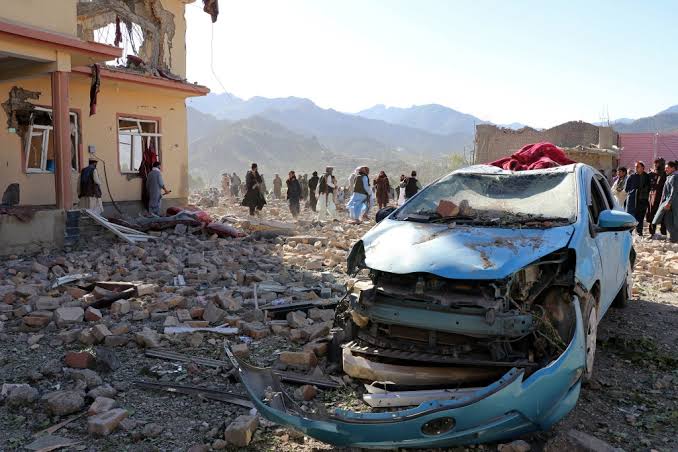
In the latest strikes, Taliban authorities said Pakistani aircraft targeted areas of Kunar and Paktika at around 4 a.m. Kabul time. Afghan officials reported that a civilian home in Nurgal district was destroyed, killing three members of a family and injuring four others, including women and children. Pakistan has said its operations target militants, but the competing claims surrounding such strikes require independent verification. Earlier this year, Reuters reported that Pakistani airstrikes in Afghanistan killed at least 13 people, including 11 children, according to Afghan authorities.
The timing and broader context make Pakistan’s policy even more difficult to ignore.
Islamabad has recently signed the Makkah Joint Defence Agreement with Saudi Arabia and Türkiye. Under the agreement, an armed attack against one member is to be regarded as an attack against all three. Yet Saudi Arabia is now facing intensified missile and drone attacks from Yemen’s Houthis, including attacks targeting Riyadh and critical energy infrastructure.
So where is Pakistan?
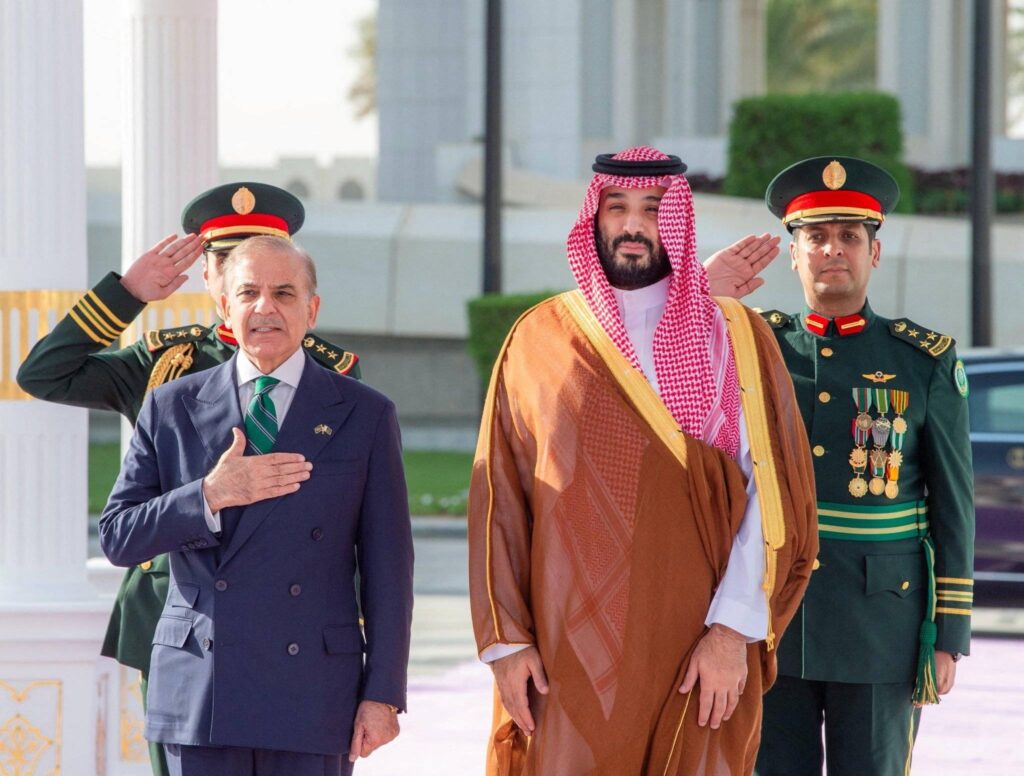
Islamabad says it remains committed to the agreement, but its own foreign ministry has acknowledged that no military response to the Houthi attacks has yet been discussed, adding that Pakistan would act “when the time comes.”
Reuters has also reported that Pakistan is under growing pressure to reconcile its role as a Saudi defence partner with its efforts to maintain relations with Iran and its role as a mediator.
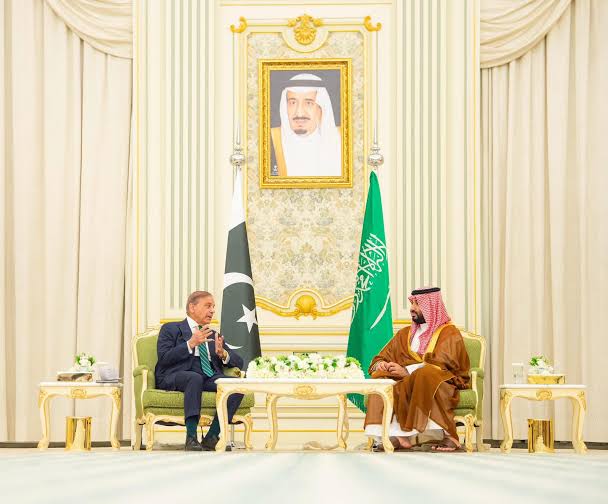
This creates an obvious question: why is Pakistan able to mobilise aircraft against Afghanistan within hours, yet when its new defence partner Saudi Arabia comes under sustained attack, Islamabad emphasises caution and diplomacy?
Afghanistan is not Saudi Arabia’s enemy. Afghan civilians should not become the convenient target of Pakistan’s security calculations.
For decades, Pakistan has attempted to maintain influence across its neighbourhood while presenting itself differently to different partners. It seeks strategic and economic ties with Saudi Arabia, manages relations with Iran, confronts India, and simultaneously accuses Afghanistan of harbouring militants.
The result is a foreign policy that increasingly appears less like a coherent regional strategy and more like a series of tactical calculations.
The most troubling part is the recurring pattern. After deadly attacks occur inside Pakistan, Taliban authorities are frequently accused of harbouring those responsible, followed by threats or military action across the border. In the absence of publicly established evidence, such escalation risks turning accusation into justification and punishment into policy.
That does not prove that Pakistan manufactures attacks or deliberately harms its own population to create a pretext for attacking Afghanistan. Such allegations require serious evidence. But Pakistan’s repeated reliance on military action before all facts are publicly established deserves far greater scrutiny.
The contradiction is especially striking now. Pakistan wants the benefits of being a major security partner of Saudi Arabia while simultaneously presenting itself as too occupied with security challenges on its western frontier to take immediate military action under the Makkah agreement. Reuters has reported that Pakistani forces are already stretched by security pressures along its borders and internal insurgencies.
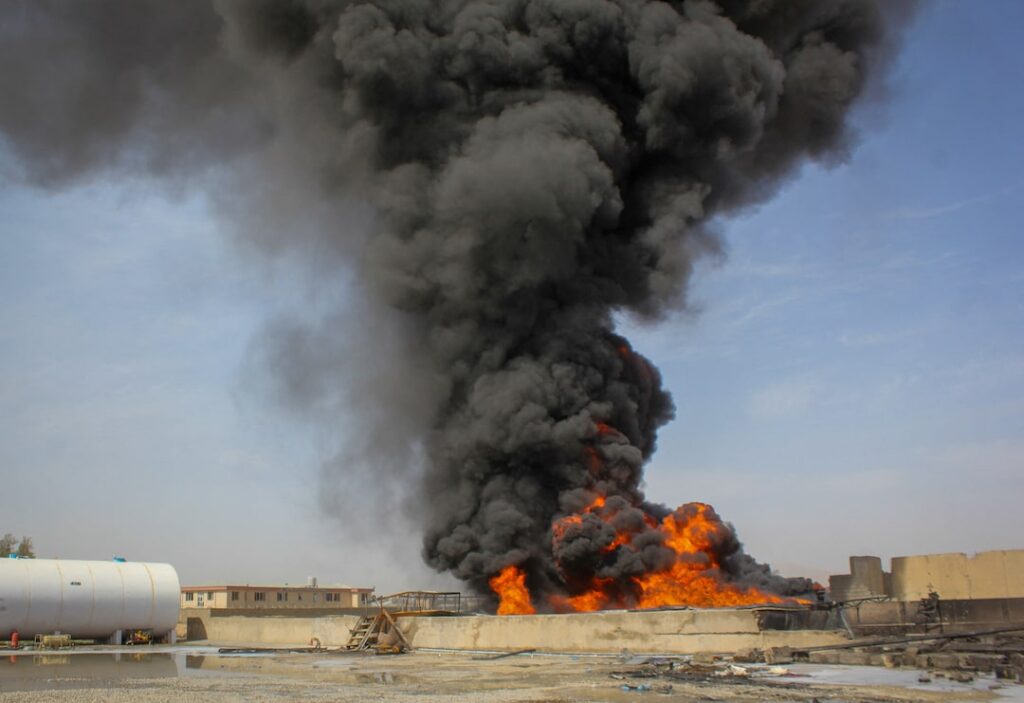
Pakistan cannot credibly demand regional solidarity while treating Afghanistan’s sovereignty as optional.
If Islamabad wants to be seen as a serious regional power, it should follow one principle consistently: evidence before accusation, diplomacy before escalation, and civilian protection before military retaliation.
Otherwise, Pakistan risks creating a reputation in which its alliances are celebrated when they bring diplomatic and strategic benefits, while its obligations are postponed when they become costly.
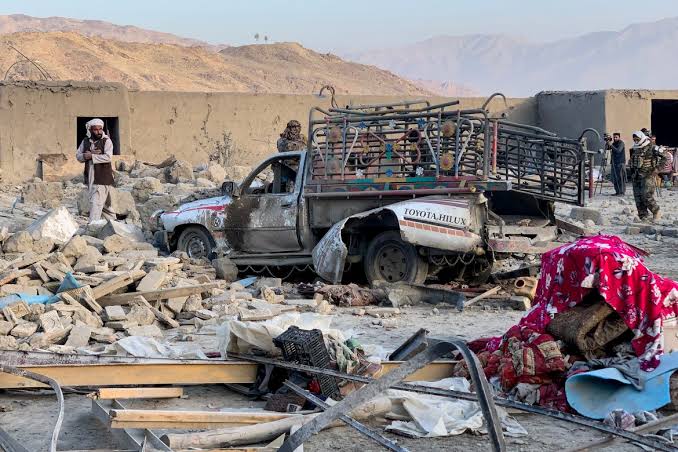
The people of Afghanistan should not have to pay for Pakistan’s strategic calculations. And Saudi Arabia should not have to wonder whether its new defence partner is genuinely prepared to stand beside it—or whether Islamabad will once again find another crisis closer to home to justify looking the other way.